


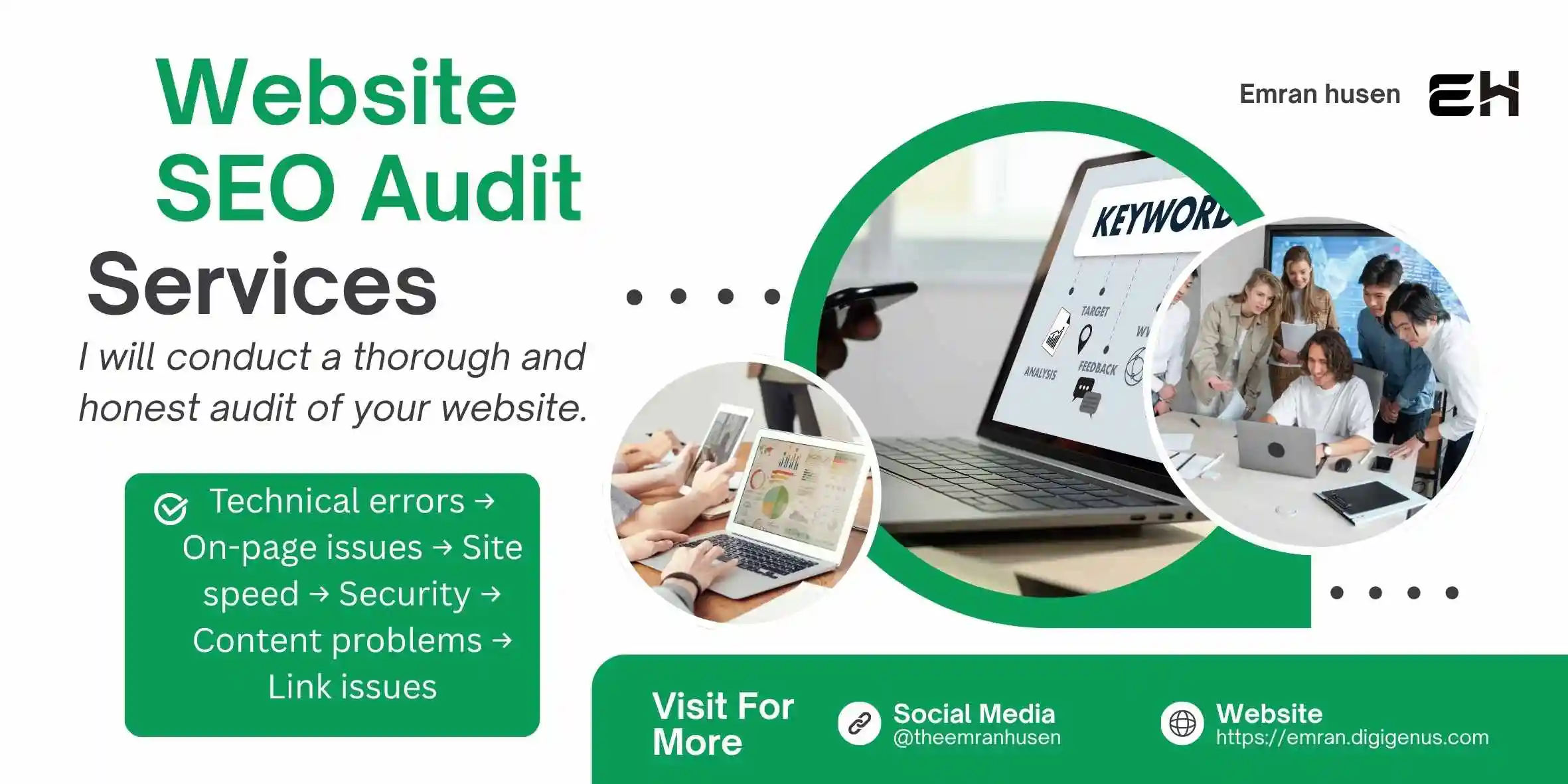
Let me ask you something honest: when did you last really look under the hood of your website?
Not just scroll through your homepage or check if your contact form works — but actually dig into the technical bones, the content quality, and the user experience your visitors are getting every single day?
If the answer is “never” or “a long time ago,” you’re not alone. But you might be quietly losing traffic, leads, and money because of problems you don’t even know exist.
That’s exactly where a website audit comes in.
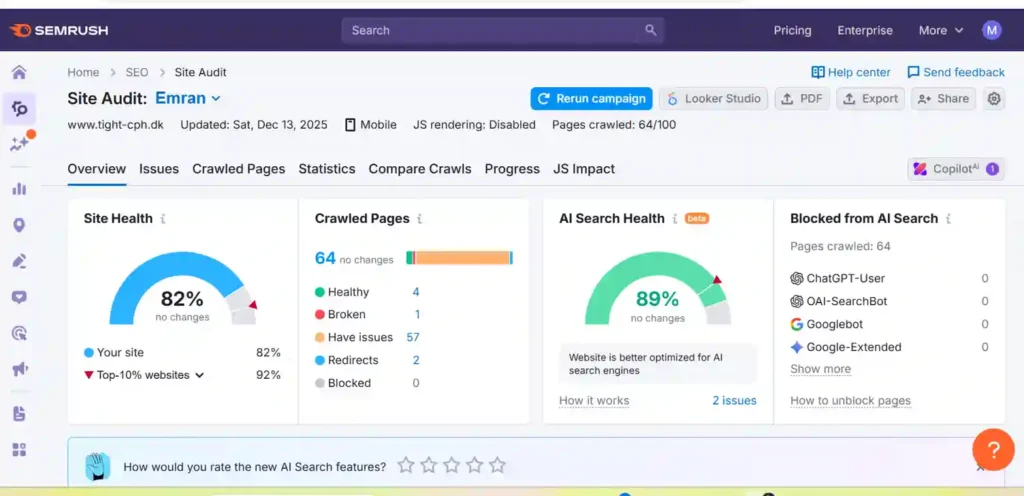
What Is a Website Audit, Really?
A website audit is a full, top-to-bottom examination of your website’s health. Think of it like a medical checkup — but for your site. A doctor doesn’t just ask “how do you feel?” They run tests, check your vitals, and look for warning signs you can’t see yourself.
A website audit does the same thing. It evaluates everything from how fast your pages load to how Google reads your content to whether your visitors are actually finding what they came for.
The goal is simple: find what’s broken, fix what’s weak, and build on what’s working.
Why Does a Website Audit Matter?
Here’s the truth most people don’t want to hear — your website is never truly “done.”
Search engines update their algorithms constantly. Your competitors improve their sites. User expectations shift. Links break. Pages get slow. Content gets stale.
Without regular audits, your website slowly drifts away from best practices without you even noticing. You wonder why your traffic is dropping. You blame the economy, the competition, bad luck — when really, your own site is holding you back.
💡 Also Read:Professional SEO Services — explore expert SEO solutions that help your website rank higher, attract more visitors, and grow your business online.
A proper website audit gives you clarity. You stop guessing and start making smart, data-backed decisions.
What Does a Website Audit Actually Cover?
A thorough audit looks at several key areas. Here’s what’s typically examined:
1. Technical SEO This is the foundation everything else sits on. Auditors check for crawl errors, broken links, duplicate content, XML sitemaps, robots.txt files, and how search engine bots move through your site. If Google can’t crawl your pages properly, nothing else matters.
2. Site Speed & Core Web Vitals Speed is not just a convenience — it’s a ranking factor. Google uses Core Web Vitals including loading speed, interactivity, and visual stability to decide where your site ranks. A slow website also kills user experience. Most users abandon a page if it takes more than three seconds to load.
3. On-Page SEO This covers how well each page is optimized for its target keywords. Auditors look at title tags, meta descriptions, heading structure (H1, H2, H3), image alt text, internal linking, and keyword usage. Even small tweaks here can lead to noticeable ranking improvements.
4. Content Quality Not all content is equal. An audit evaluates whether your content is relevant, well-written, and genuinely useful. Thin pages, keyword stuffing, duplicate content, and outdated information are all red flags that can hurt your rankings.
5. Mobile Friendliness Over 60% of global web traffic comes from mobile devices. If your site doesn’t work beautifully on a smartphone, you’re losing more than half your potential audience — and Google knows it.
6. Backlink Profile The links pointing to your website are a major signal of authority and trust. An audit checks the quality of those links, identifies toxic backlinks that could be hurting you, and spots opportunities to build more.
7. User Experience (UX) Can visitors find what they need quickly? Is the navigation intuitive? Are there confusing layouts or dead ends? A poor user experience leads to high bounce rates — and search engines interpret that as a sign your site isn’t delivering value.
How Often Should You Do a Website Audit?
For most businesses, a comprehensive audit once or twice a year is a solid starting point. If you’re running a larger site, publishing content frequently, or operating in a highly competitive space, quarterly audits make more sense.
Think of it as regular maintenance — not a one-time fix.
🔗 Related Post: SEO Expert in Bangladesh | Complete SEO Solutions for Businesses — because great audits and smart keyword strategy always go hand in hand.
Stay Connected With Us
Found this helpful? We share daily SEO tips, content writing strategies, and digital marketing advice on our social channels. Don’t miss out:
📘 Follow us on Facebook — for daily tips, blog updates, and SEO tutorials straight to your feed.
📸 Follow us on Instagram — for quick SEO hacks, infographics, and behind-the-scenes content marketing insights.
The Bottom Line
A website audit isn’t a luxury for big corporations with massive marketing budgets. It’s a practical, necessary tool for any business that wants to grow online.
It tells you where your site stands right now. It shows you exactly what’s pulling you down. And most importantly, it gives you a clear roadmap to climb higher in search results, attract more visitors, and convert more of them into customers.
Your website works for you 24 hours a day, 7 days a week. The least you can do is make sure it’s doing its job properly.